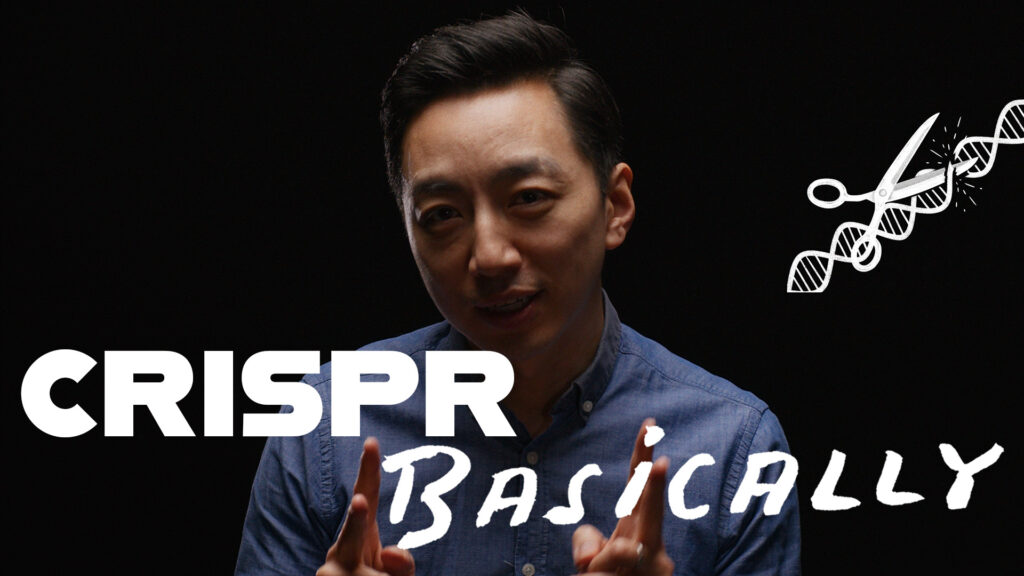
Imagine a world where people could pay to create “designer babies” with specific traits like appearance, intelligence, or athletic ability. This is the ethical minefield of CRISPR, a gene-editing tool that acts like molecular scissors to alter DNA. While it has enormous potential to improve lives and solve decades-old problems, it raises huge questions about who gets to decide what is okay to edit. Without clear rules and transparency, misuse of this tech could damage trust or halt progress for the entire industry. We dive into the moral responsibilities that come with the power to reshape our world.